 Norwegian
  English
SUSTAINABILITY, QUALITY AND CORPORATE RESPONSIBILITY
Ditech supplies filtration solutions to industry, marine and offshore operations, aquaculture, construction and infrastructure, as well as the food and beverage industry. Our focus is on operational reliability, resource efficiency and documented quality.
For us, sustainability is the result of technical precision, correct system sizing and responsible supplier selection. Our work with quality and corporate responsibility is integrated into how we develop solutions, choose partners and operate our business.
SUSTAINABILITY, QUALITY AND CORPORATE RESPONSIBILITY
Ditech supplies filtration solutions to industry, marine and offshore operations, aquaculture, construction and infrastructure, as well as the food and beverage industry. Our focus is on operational reliability, resource efficiency and documented quality.
For us, sustainability is the result of technical precision, correct system sizing and responsible supplier selection. Our work with quality and corporate responsibility is integrated into how we develop solutions, choose partners and operate our business.
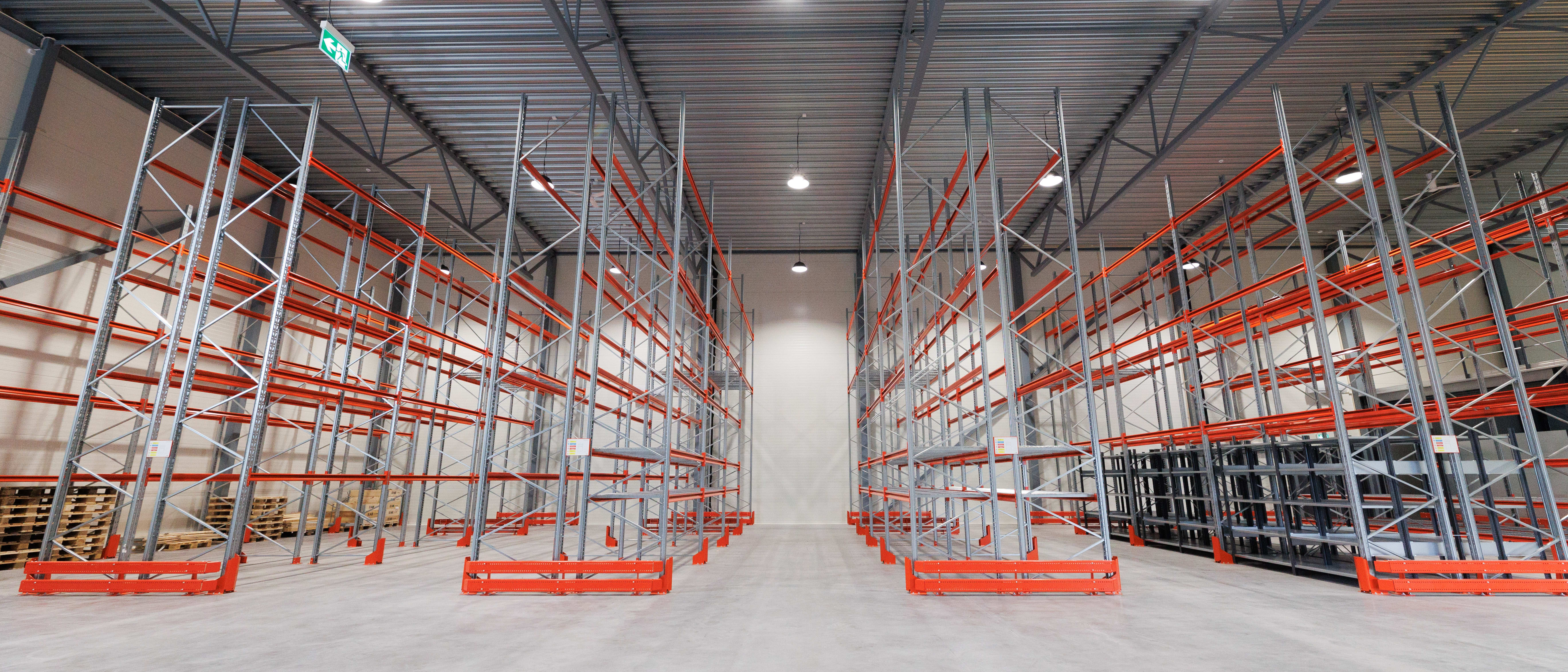
Et bygg for fremtidens drift
Våre nye lokaler er utviklet med fokus på redusert energiforbruk og mer effektiv vareflyt. Et viktig steg i vårt arbeid med bærekraft og kvalitet.

Bærekraftig filtrering i praksis
Naturlige materialer, gjenbrukbare komponenter og forlenget oljelevetid. Se hvordan GreenOil kombinerer teknisk ytelse og miljøhensyn.
Sustainability in Practice
Why filtration supports sustainability
Filtration contributes to:
- Extended service life of oils and process fluids
- Reduced need for component replacement
- Lower waste generation
- More energy-efficient operation
When machinery and process equipment operate longer with stable performance, the overall consumption of resources and the environmental impact over the equipment’s lifetime are reduced. This is technical sustainability in practice.
Environmentally conscious product choices
We consider environmental aspects when selecting suppliers and filtration solutions. Examples include:
- Ventilation filters with frames that can be disposed of without requiring hazardous waste handling
- Solutions designed to reduce material consumption and waste generation
- Suppliers that develop more sustainable material choices
One example is GreenOil, which uses natural materials such as sheep wool in its filter elements and reusable containers as part of its design.
Quality and documentation
In demanding markets, documentation is essential. Ditech works with recognized manufacturers and follows a systematic approach to:
- Traceability in deliveries
- Technical documentation available upon request
- Supplier evaluations
- Continuous improvement of processes
For us, quality is not only about the product itself, but also about technical advisory and selecting the correct solution for each application.
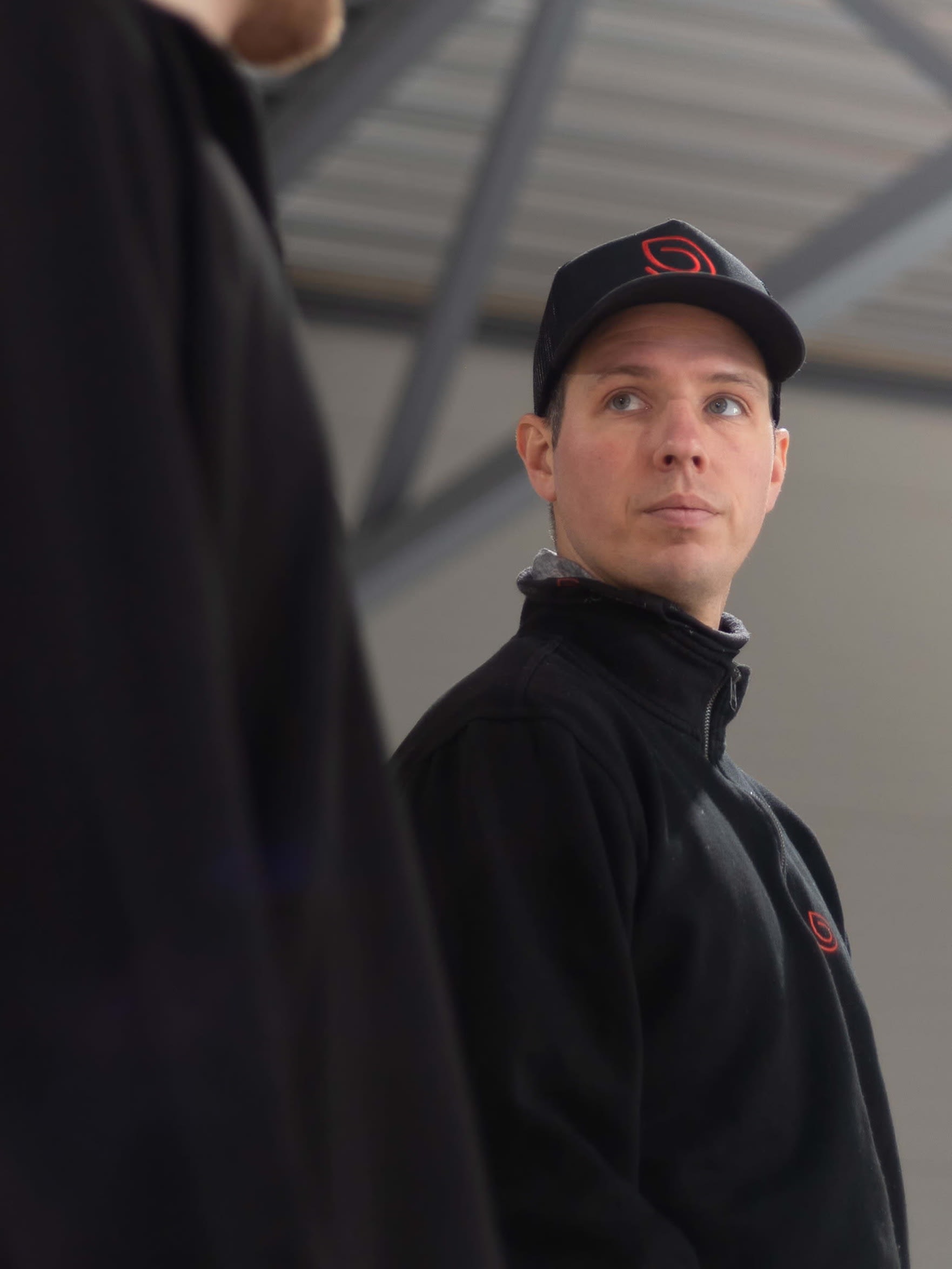
Samfunnsansvar og åpenhentsloven
Ditech følger kravene i åpenhetsloven og gjennomfører aktsomhetsvurderinger knyttet til leverandørkjeden. Vi vurderer risiko relatert til menneskerettigheter og arbeidsforhold og stiller krav til våre leverandører.
Product approvals and industry requirements
Several of the products we supply are designed for specific applications and markets with strict requirements for documentation and safety. Depending on the application, our products can be supplied with relevant approvals and certifications.
Examples of approvals and standards met by certain products include:
- EC 1935 – materials approved for contact with food
- FDA (Food and Drug Administration) – material requirements for food-related applications
- ATEX – equipment approved for use in explosive atmospheres
- Drinking water approvals – materials suitable for use in potable water systems
- Achilles UNCE – supplier registration for the energy sector
- Achilles Global Energy – qualification system for suppliers to the oil, gas and energy industries
- Code of Conduct – requirements for ethical guidelines and responsible supply chains
Available documentation and approvals vary depending on product type and manufacturer. We are happy to assist with relevant documentation in connection with projects, tenders or supplier registrations.

ISO-sertifiseringer og kvalitetssystem
Ditech arbeider i henhold til etablerte styringssystemer for kvalitet og miljø. Våre sertifiseringer dokumenterer strukturert arbeid med forbedring, kontroll og etterlevelse av krav.
Our approach
Sustainability, quality and corporate responsibility at Ditech are built on three core principles:
2.
Documented delivery
When required, we can provide product specifications, technical documentation and information related to certifications and supplier requirements.
3.
Long-term partnerships
We build long-term relationships with both customers and suppliers. Close collaboration and a mutual understanding of technical requirements contribute to more reliable deliveries and better solutions over time.
4.
ISO certifications and quality management systems
Quality and traceability in accordance with applicable ISO standards.
1.
Technical precision
The right filtration solution starts with correct system sizing and a thorough understanding of the application, load conditions and operating environment. We emphasize technical assessment and advisory services to ensure optimal filtration performance and stable operation.
Learn more about our advisory services for optimal filtration
From principles to delivery
Sustainability and quality must be demonstrated in practice. Our reference projects show how the right filtration solutions contribute to stable operation, reduced resource consumption and long-term performance.

Delivery for a Next-Generation Vessel
Ditech has delivered multiple GreenOil filtration systems to Hull 82, Rem Pioneer, at Myklebust Shipyard. The vessel is a new and forward-looking build currently under construction for Rem Offshore. The delivery forms part of an extensive newbuild project with a strong focus on energy-efficient operation, reduced emissions, and high technical performance.

Self-Cleaning Filters for Food and Beverage
Why choose self-cleaning filters in food production? The food industry demands high standards for process water. To ensure consistent quality and uninterrupted operation, Ditech has supplied self-cleaning automatic filters to a Norwegian food producer.

Efficient and Sustainable Filtration on MV Rem Inspector
On MV Rem Inspector, four GreenOil filter systems provide efficient lubrication oil purification with minimal maintenance. With only one annual filter element replacement and documented improvements in oil analysis, the crew is highly satisfied. Additionally, the vessel has full filter monitoring through Ditech’s customer portal – all supplied by a single, complete solution provider.

Optimizing the Filtration Process: A Three-Stage Solution at Fresh Water Norway
Fresh Water Norway significantly reduced the particle load early in the process line by implementing a three-stage filtration setup. A vertical automatic self cleaning filter from the 90 Series by Forsta Filters was installed as a pre filtration step, followed by enhanced intermediate filtration at 10 micron. The solution was engineered and recommended by Ditech to protect and extend the service life of the final filtration stage, while creating the necessary conditions for stable and efficient UV transmission.
From principles to delivery
Sustainability and quality must be demonstrated in practice. Our reference projects show how the right filtration solutions contribute to stable operation, reduced resource consumption and long-term performance.
Delivery for a Next-Generation Vessel
Ditech has delivered multiple GreenOil filtration systems to Hull 82, Rem Pioneer, at Myklebust Shipyard. The vessel is a new and forward-looking build currently under construction for Rem Offshore. The delivery forms part of an extensive newbuild project with a strong focus on energy-efficient operation, reduced emissions, and high technical performance.
Self-Cleaning Filters for Food and Beverage
Why choose self-cleaning filters in food production? The food industry demands high standards for process water. To ensure consistent quality and uninterrupted operation, Ditech has supplied self-cleaning automatic filters to a Norwegian food producer.
Efficient and Sustainable Filtration on MV Rem Inspector
On MV Rem Inspector, four GreenOil filter systems provide efficient lubrication oil purification with minimal maintenance. With only one annual filter element replacement and documented improvements in oil analysis, the crew is highly satisfied. Additionally, the vessel has full filter monitoring through Ditech’s customer portal – all supplied by a single, complete solution provider.
Optimizing the Filtration Process: A Three-Stage Solution at Fresh Water Norway
Fresh Water Norway significantly reduced the particle load early in the process line by implementing a three-stage filtration setup. A vertical automatic self cleaning filter from the 90 Series by Forsta Filters was installed as a pre filtration step, followed by enhanced intermediate filtration at 10 micron. The solution was engineered and recommended by Ditech to protect and extend the service life of the final filtration stage, while creating the necessary conditions for stable and efficient UV transmission.
You might ask how…
For Ditech, sustainability is closely linked to technical optimization and efficient resource management. Proper filtration helps extend the service life of oils and components, reduce waste and support more energy-efficient operation. In this context, sustainability is the result of correctly sized solutions and stable system performance.
Effective filtration reduces the particle load in systems and can extend intervals between oil changes and maintenance. This leads to lower resource consumption, reduced waste and a lower risk of operational downtime. In marine and industrial applications, it can also contribute to more energy-efficient operation.
Yes. Ditech complies with the requirements of the Norwegian Transparency Act and conducts due diligence assessments related to its supply chain. As part of this work, we evaluate risks related to human rights and decent working conditions among our suppliers.
Quality is ensured through technical assessment of each application, cooperation with recognized manufacturers, documented product specifications and traceability in deliveries. We also place strong emphasis on correct system sizing and technical advisory based on actual operating conditions.
Yes. Upon request, we can provide technical documentation, product specifications and information related to quality and corporate responsibility. This documentation is often used in connection with tenders, prequalification processes and supplier approvals.
Stable and properly designed filtration reduces the risk of operational disruptions and unexpected incidents. Controlled particle levels and fluid quality contribute to more predictable maintenance intervals and safer operation of technical systems.
Rådgivning innen filtrering
Vi hjelper deg med å kartlegge filterbehovet og finne riktige løsninger for dine systemer
Rådgivning innen filtrering
Vi hjelper deg med å kartlegge filterbehovet og finne riktige løsninger for dine systemer